
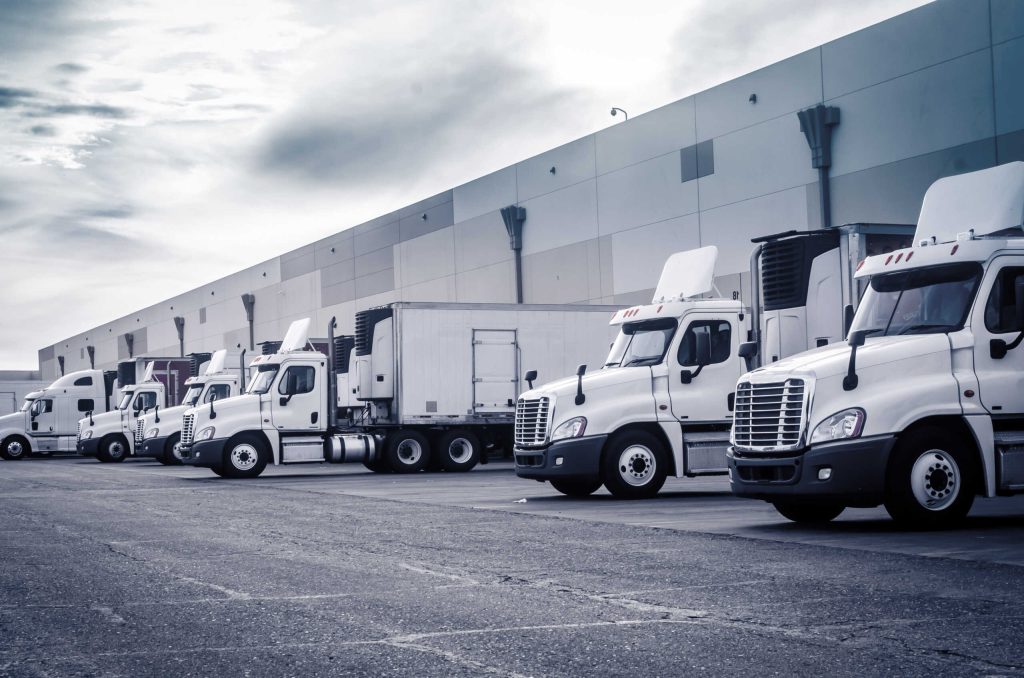
In the logistics and supply chain world, the yard is often an overlooked yet essential link. It serves as the bridge between transportation and warehouse operations. Effective Yard management solutions help coordinate freight movement, reduce idle time, and support smoother loading and unloading processes. For distribution centers and logistics hubs handling high volumes of freight daily, investing in smart yard coordination strategies is crucial.
The Role of Yard Management in Freight Coordination
Freight coordination begins the moment a truck arrives at a facility. Without an organized system, trailers can pile up, dock schedules may clash, and dwell times increase—disrupting the entire supply chain. Yard management solutions address this by offering real-time visibility, systematic scheduling, and movement control of all trailers within the yard.
A proper yard management strategy ensures that incoming and outgoing freight is tracked, prioritized, and moved at the right time. Whether trailers need to be placed at a specific dock door or staged for future use, the system ensures each trailer’s location and status is always known.
Enhancing Trailer Visibility and Asset Tracking
One of the core features of yard management is asset visibility. Yard management systems (YMS) often use RFID, GPS, or barcode scanning to track trailer locations and statuses within the yard. This real-time tracking ensures that trailers are not forgotten or misplaced and that movements are accurately logged.
This improved visibility supports better decisions. Dispatchers and yard managers can assign the right trailers to the right doors, minimize bottlenecks, and ensure that loading and unloading happens on schedule.
Integrating Dock and Gate Scheduling
Yard management is most effective when integrated with gate management and dock scheduling tools. Coordinating gate entries with dock availability helps avoid congestion and waiting times for drivers. When a truck checks in, the system can immediately assign it a dock or staging area based on the facility’s current capacity.
For outbound freight, this coordination ensures that trailers are ready and loaded before drivers arrive, reducing delays and driver detention fees. The result is a more efficient freight flow from entrance to exit.
Real-Time Decision Making and Workflow Control
Modern YMS platforms provide dashboards and mobile access to keep operations managers informed throughout the day. Yard drivers, dock managers, and logistics personnel can receive live updates, assign tasks, and adjust movements based on current workload.
For example, if a high-priority load arrives unexpectedly, the system can help reprioritize other trailers, free up dock space, and keep everything on track. This real-time flexibility is essential for high-volume environments with changing demands.
Reducing Dwell Time and Operational Costs
Inefficient trailer movement leads to longer dwell times, wasted fuel, and labor inefficiencies. Yard management solutions minimize these costs by streamlining trailer turnaround and eliminating unnecessary movements. Each move is tracked and directed based on priority, load status, and resource availability.
Additionally, yard productivity reports help identify patterns and inefficiencies, allowing for long-term improvements and data-driven decisions.
Conclusion
Yard management solutions are critical for effective freight coordination. By providing real-time visibility, organized scheduling, and movement control, they help logistics centers improve turnaround time, reduce operational costs, and keep freight flowing efficiently. As supply chain expectations continue to grow, a smart, responsive yard becomes a vital part of staying competitive and delivering consistent service.