
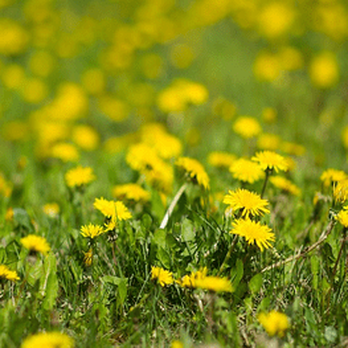
When you picture a lush, green lawn, chances are you aren’t thinking about stubborn weeds creeping in. Weeds are more than just an eyesore; they compete for sunlight, water, and nutrients that your grass desperately needs to thrive. Harnessing natural Weed Control techniques isn’t just about getting rid of unwanted plants. It’s about giving your grass the competitive edge to grow stronger and healthier over time.
From science-backed statistics to trending methods embraced by homeowners, this guide explores the benefits of natural weed control and how it supports a resilient, vibrant lawn.
Why Natural Weed Control Matters
The shift toward natural solutions in lawn care is more than just a trend. With growing concerns about chemical runoff, soil health, and backyard biodiversity, eco-friendly weed management has taken center stage. According to recent surveys, over 60% of homeowners now seek out environmentally safe methods to maintain their lawns. This reflects a strong preference for techniques that reduce risks both to human health and local ecosystems.
Natural weed control empowers your grass to outcompete invaders, creating a self-sustaining balance that reduces your overall lawn maintenance. By focusing on the root causes of weed infestation rather than just treating symptoms, you invest in the long-term vitality of your yard.
The Benefits of Natural Weed Control
Fosters Healthier Soil
When you avoid harsh chemicals, you protect the invaluable network of organisms living in your soil. Beneficial microbes, earthworms, and insects all play essential roles in decomposing organic material and cycling nutrients. Studies show that lawns treated without synthetic herbicides have up to 30% greater microbial activity, which translates to richer, more fertile soils. Healthy soil leads directly to healthier, hardier grass that’s better equipped to crowd out weeds on its own.
Supports Biodiversity
A naturally managed lawn doesn’t just support your grass; it contributes to a greater diversity of beneficial insects, pollinators, and even small birds. By steering clear of broad-spectrum weed killers, you allow non-target species to flourish. Pollinators like bees and butterflies become more frequent visitors, which can enhance your garden’s overall vibrance and productivity.
Reduces Chemical Exposure
Recent research points to the dangers of regular exposure to many common lawn chemicals. These risks extend not only to pets and children playing on your grass, but also to neighbors and the wider watershed. Implementing natural weed control significantly cuts these risks, supporting a safer space for all.
Strengthens Grass Resilience
Weeds thrive in bare, compacted, or stressed spots where grass is thin. A foundation of strong, healthy grass is nature’s first line of defense against these invaders. Natural weed control focuses on lawn health—with practices like aeration, overseeding, and organic fertilizing. National surveys indicate that regular lawn overseeding can reduce dandelion density by more than 50% within a growing season, further tipping the scales in favor of your turf.
Trending Natural Weed Control Methods
Mulching and Mowing Techniques
Proper mowing is a trending strategy that naturally suppresses weeds. Lawns mowed to a taller height (about 3–4 inches) shade the soil, making it difficult for many common weeds to germinate. Mulching grass clippings can also prevent weed seeds from reaching the soil and introduce additional nutrients over time.
Overseeding and Grass Variety
Reseeding bare spots and choosing grass types adapted to your climate are practical, data-backed solutions for long-term weed control. Research from turfgrass institutes suggests that a denser lawn can decrease annual weed problems by up to 80%. By simply overseeding at the start and end of each growing season, you create thick turf that naturally crowds out broadleaf and grassy weeds alike.