
In the era of environmental consciousness, the imperative to recycle and reuse resources has never been more pressing. Plastics, in particular, have come under intense scrutiny due to their persistence in the environment and their detrimental impact on ecosystems. Among the various types of plastics, polyethylene (PE) films have posed a significant challenge in recycling due to their thin, flexible nature. However, with the advent of innovative technologies like the pe film washing line, the recycling landscape is undergoing a profound transformation.
The Challenge of PE Film Recycling
Polyethylene films are ubiquitous in our daily lives, found in grocery bags, packaging materials, and agricultural covers. Despite their widespread use, recycling these films has been notoriously difficult. Their lightweight and flexible nature make them prone to contamination and entanglement, rendering traditional recycling methods ineffective. Consequently, a significant portion of PE films end up in landfills or polluting water bodies, exacerbating environmental degradation.
The Solution: PE Film Washing Line
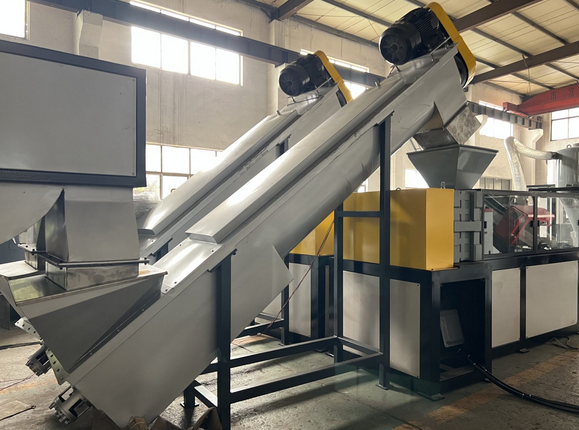
The PE Film Washing Line represents a paradigm shift in the recycling of polyethylene films. This innovative technology employs a multi-step process to effectively clean, shred, and pelletize PE films, transforming them into high-quality recycled material ready for reuse in various applications.
1. Pre-sorting and Washing: The process begins with the collection of post-consumer PE films, which are then sorted to remove contaminants such as paper, dirt, and other plastics. Subsequently, the films undergo thorough washing to eliminate any remaining impurities, ensuring the purity of the recycled material.
2. Shredding and Size Reduction: Once cleaned, the PE films are shredded into small pieces to increase surface area and facilitate further processing. Size reduction enhances the efficiency of subsequent steps and allows for uniform melting during extrusion.
3. Friction Washing: In this crucial step, the shredded PE film undergoes friction washing, where high-speed rotating paddles agitate the material in a water-filled chamber. This mechanical action effectively removes stubborn contaminants and residual dirt, achieving a higher level of cleanliness.
4. Separation and Drying: Following friction washing, the PE flakes are separated from water and any remaining debris using advanced separation techniques such as hydrocyclones or centrifuges. The separated flakes are then dried to remove moisture, preparing them for the next stage of processing.
5. Extrusion and Pelletization: The dried PE flakes are melted and extruded through a die to form uniform pellets. This pelletization process enhances the material’s flow properties and facilitates its incorporation into various manufacturing processes, such as injection molding or film extrusion.
Environmental and Economic Benefits
The adoption of PE Film Washing Lines offers numerous environmental and economic benefits:
1. Resource Conservation: By recycling PE films, the demand for virgin plastic resin is reduced, conserving natural resources and mitigating the environmental impact of plastic production.
2. Waste Reduction: Diverting PE films from landfills and incineration facilities helps alleviate the burden on waste management infrastructure and reduces greenhouse gas emissions associated with disposal.
3. Economic Opportunities: The recycling industry generates employment opportunities in collection, processing, and manufacturing, contributing to economic growth and sustainability.
4. Circular Economy: PE Film Washing Lines facilitate the transition towards a circular economy by closing the loop on plastic waste, where materials are recycled and reused rather than discarded after a single use.
Conclusion
The PE Film Washing Line exemplifies the ingenuity and innovation driving the recycling industry towards a more sustainable future. By harnessing advanced technologies and processes, this transformative solution addresses the challenges associated with recycling polyethylene films, paving the way for greater resource efficiency and environmental stewardship. As the demand for recycled materials continues to rise, investments in technologies like the PE Film Washing Line will play a pivotal role in reshaping the way we approach plastic recycling and waste management on a global scale.