
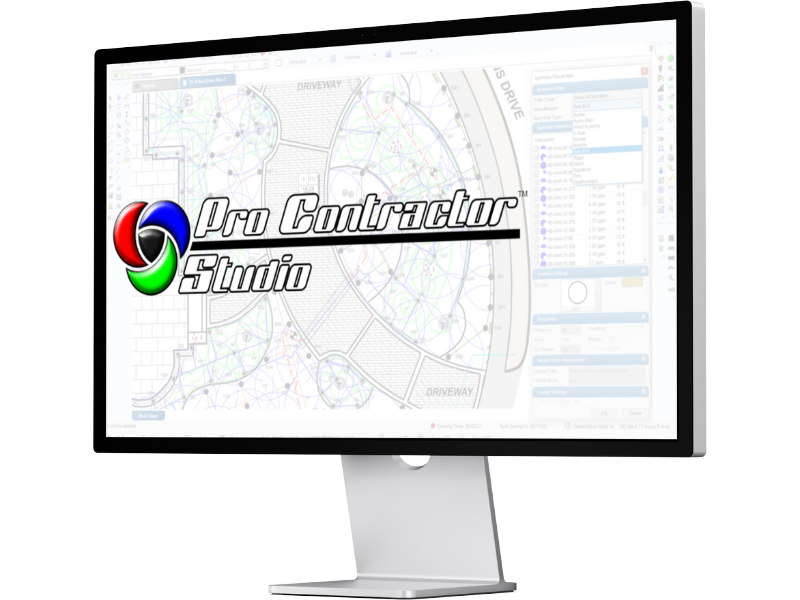
Sprinkler design software is a specialized tool that helps professionals plan, visualize, and manage irrigation systems efficiently. It allows users to design layouts for residential, commercial, and agricultural spaces while considering water coverage, pressure requirements, and flow rates. By using sprinkler design software planning tools, professionals can reduce errors, optimize resource usage, and ensure that irrigation systems operate at peak efficiency.
Why Use Software for Irrigation Planning?
Traditional irrigation planning often relies on manual calculations and estimations, which can lead to uneven water distribution and resource waste. Sprinkler design software simplifies this process by providing automated calculations, visual layouts, and performance simulations. This ensures accurate placement of sprinklers, correct pipe sizing, and balanced water coverage. Using software not only saves time but also reduces the risk of costly mistakes during installation.
How Does Sprinkler Design Software Improve Efficiency?
Efficiency is a key benefit of using sprinkler design software. The software allows users to simulate different layouts, test water flow, and make adjustments before actual implementation. It provides detailed diagrams, material lists, and cost estimates, making it easier to plan projects effectively. By identifying potential problems early, the software helps professionals optimize the irrigation system, ensuring consistent performance and reduced water waste.
What Features Make the Software Effective?
Effective sprinkler design software includes features such as hydraulic calculations, customizable plant and sprinkler libraries, and 2D or 3D visualization tools. Users can create accurate models of the landscape, analyze pressure and flow requirements, and plan system zones for uniform coverage. Some programs also include reporting tools to generate installation guides, maintenance schedules, and cost breakdowns. These features streamline the entire planning process and enhance project management.
How Does It Benefit Teams and Stakeholders?
Sprinkler design software benefits project managers, contractors, and clients alike. Detailed plans and visuals help contractors understand system layouts and installation requirements clearly. Clients can review designs and make informed decisions, ensuring expectations are aligned from the start. Collaborative features allow teams to coordinate tasks, monitor progress, and make adjustments efficiently, leading to smoother project execution and higher-quality results.
Why is Optimization Important for Irrigation Systems?
Optimizing an irrigation system is essential for water conservation, plant health, and cost efficiency. Software helps designers plan systems that deliver water evenly, reduce runoff, and avoid overwatering or dry spots. Optimized systems require fewer resources, lower maintenance costs, and provide consistent performance throughout the year. By combining accurate design with effective execution, sprinkler design software ensures the system meets its intended goals efficiently.
How Can Professionals Maximize Software Benefits?
To maximize the benefits of sprinkler design software, professionals should use all available features, keep project data updated, and simulate various layouts before finalizing designs. Regularly reviewing system performance and adjusting plans based on real-world conditions ensures long-term efficiency. Collaboration within teams and clear communication with clients further enhances the software’s value and supports successful project outcomes.
Sprinkler design software is a vital tool for planning and optimizing irrigation systems efficiently. By combining precision, visualization, and practical planning features, it enables professionals to create systems that save time, conserve resources, and deliver consistent results for any project.