
Multiple sclerosis (MS), a chronic condition affecting the central nervous system, has seen rising prevalence across the globe. Conventional treatments, while effective in managing symptoms, often leave patients searching for alternatives that offer holistic wellness without severe side effects. Ayurveda, the ancient Indian system of natural healing, has emerged as a unique solution in this domain. Within this realm, Kerala, often referred to as the “Ayurvedic Cure for Multiple Sclerosis in Kerala,” presents itself as a hotspot for those seeking natural treatments for MS.
This blog explores how Kerala’s centuries-old Ayurvedic practices are gaining recognition as holistic solutions for managing multiple sclerosis.
The Growing Interest in Ayurveda for MS Treatment
With MS impacting nearly 2.8 million people worldwide according to the Multiple Sclerosis International Federation, traditional treatment systems are being complemented by alternative therapies. Ayurveda, with its natural remedies and focus on restoring body balance, is now a sought-after approach.
Reports state that the Ayurvedic market has been experiencing steady growth, with over $10 billion USD globally in 2022. Kerala, which is home to more than 1,000 Ayurvedic wellness centers, has significantly contributed to this expansion. It’s no surprise that this classical science’s application to MS is turning heads.
How Ayurveda Addresses MS
Ayurveda views MS as a condition resulting from an imbalance in the “Vata Dosha”—one of the three doshas said to govern our physiological and psychological functions. Unlike allopathy, which primarily addresses immune suppression and symptom management, Ayurveda takes a comprehensive approach by focusing on three major principles:
1.Detoxification (Panchakarma):
Panchakarma therapy is a cleansing practice designed to remove toxins from the body. This realigns the affected systems and reduces inflammation associated with MS. Kerala’s Ayurvedic centers, renowned for their authentic Panchakarma treatments, report improved mobility and reduced spasticity in MS patients.
2.Herbal Formulations:
Ayurveda uses potent herbal remedies such as Brahmi, Ashwagandha, and Guduchi, known for their neuroprotective and anti-inflammatory effects. These natural agents help mitigate MS symptoms like fatigue and cognitive difficulties without introducing adverse drug reactions.
3.Stress Management with Yoga and Meditation:
Stress can exacerbate MS symptoms, and Kerala’s Ayurvedic retreats combine herbal treatments with practices such as yoga, meditation, and pranayama (breathing techniques), enhancing overall mental well-being. Clinics report that this tandem approach can improve the emotional resilience of MS patients.
Why Kerala is the Destination of Choice
Authenticity and Expertise in Ayurveda
Kerala stands out due to its unbroken Ayurvedic traditions, authenticated herbal preparations, and highly skilled practitioners. It houses established institutions like the Kottakkal Arya Vaidya Sala and numerous NABH-accredited wellness clinics that cater to global visitors.
Integration of Modern Facilities
Several Ayurvedic facilities in Kerala have successfully integrated their ancient methodologies with modern diagnostic tools, ensuring a seamless treatment protocol. This balance between tradition and modernity has presented Kerala not only as a cultural treasure but also as a global leader in wellness tourism, attracting patients from countries such as the US, UK, and UAE.
Eco-Healing Experience
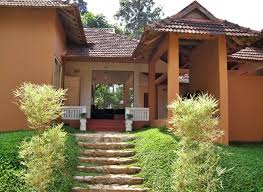
Kerala’s healing centers are often surrounded by lush vegetation and natural landscapes, enhancing the therapeutic experience. Research suggests that natural environments contribute significantly to reducing stress hormones, which is particularly beneficial in managing MS.
Impact and Results
While detailed clinical studies are still nascent, anecdotal evidence from individuals undergoing Ayurvedic MS treatment in Kerala is promising. Centers report that 75-80% of patients experience some degree of improvement in symptoms, including better energy levels, reduced inflammation, and enhanced mental clarity. Combined with personalized lifestyle guidance, these results underline the value of Ayurveda.
Looking Ahead
With Ayush Ministry data suggesting a 15% growth in medical tourism for Ayurvedic treatments year-over-year in India, Kerala is poised to play an instrumental role in the global alternative healthcare landscape. Its scientifically backed and spiritually rooted Ayurvedic treatments make it an attractive option for MS patients seeking natural and sustainable relief.