
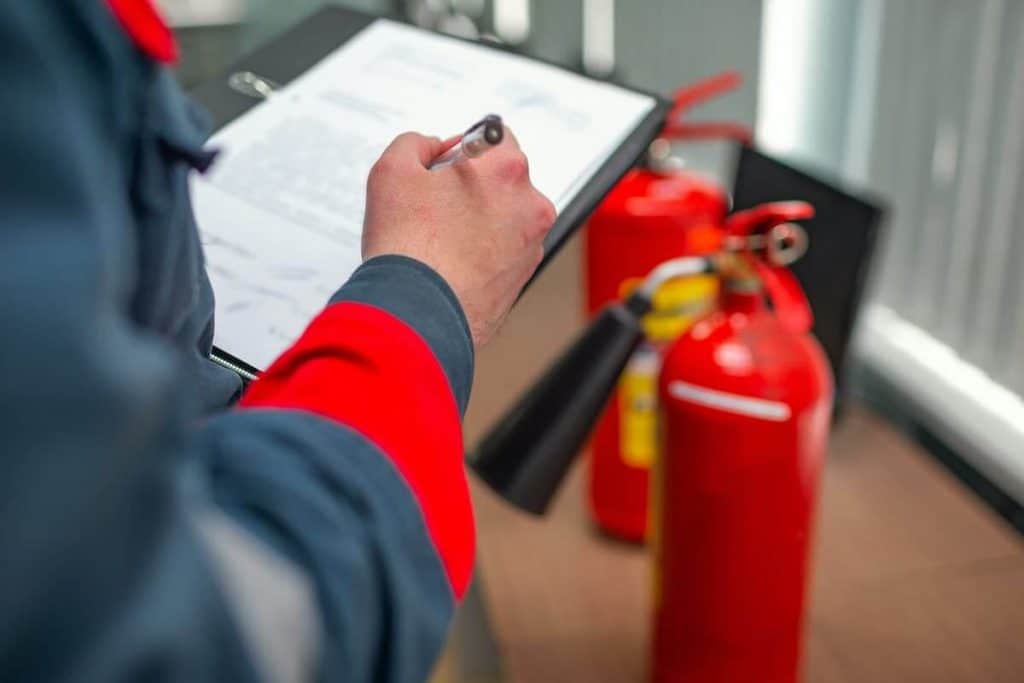
Recent industry data shows that nearly 50% of structural fires occur during off-hours when staff presence is minimal. This highlights the critical need for round-the-clock Fire Watch Guards monitoring. Continuous supervision ensures that potential fire hazards are identified immediately, reducing response times and preventing incidents from escalating. Facilities with 24/7 coverage demonstrate higher safety compliance and fewer fire-related disruptions.
How Does Continuous Monitoring Reduce Fire Risks?
Safety statistics indicate that facilities with uninterrupted fire watch coverage experience up to 40% fewer fire incidents. Guards conduct regular inspections, monitor high-risk zones, and identify potential hazards in real-time. Their proactive presence helps prevent ignition sources from developing into serious emergencies, ensuring a safer environment for employees and property alike.
What Responsibilities Do Fire Watch Guards Handle During Night and Low-Activity Hours?
Data reveals that fire risks increase during nighttime or periods of low activity, accounting for 35% of reported incidents. Fire watch guards fill this critical gap by patrolling facilities, checking fire suppression systems, and maintaining detailed logs even when operations slow down. Their vigilance ensures that safety standards remain uncompromised at all hours.
How Does Human Oversight Complement Fire Safety Technology?
While alarm systems and sensors are essential, research shows that human monitoring improves emergency response accuracy by up to 30%. Fire watch guards can detect subtle cues—like unusual smoke, smells, or heat—that automated systems may miss. This combination of human judgment and technology ensures more reliable detection and faster intervention.
Which Industries Benefit Most from 24/7 Fire Watch Services?
Industry reports highlight that construction sites, warehouses, manufacturing plants, and commercial complexes gain significant advantages from continuous fire watch coverage. Over 60% of safety managers in these sectors report improved compliance, lower insurance claims, and enhanced risk management after implementing 24/7 monitoring. Guards provide essential protection during high-risk periods, such as renovations, equipment maintenance, or hot work operations.
Why Is Documentation a Key Aspect of Fire Watch Programs?
Accurate reporting is critical for risk management and compliance. Nearly 70% of regulatory inspections rely on patrol logs and incident records. Fire watch guards maintain detailed, time-stamped documentation throughout their shifts. This data supports audits, identifies recurring hazards, and provides evidence of proactive safety management for insurance and regulatory purposes.
How Does 24/7 Monitoring Improve Emergency Preparedness?
Emergency response metrics show that trained on-site personnel reduce evacuation times by up to 25%. Fire watch guards know facility layouts, emergency exits, and safety protocols. Their immediate intervention ensures orderly evacuations and effective coordination with emergency responders, reducing damage and protecting lives.
Is Around-the-Clock Fire Watch Coverage Cost-Effective?
Cost-benefit analyses indicate that proactive monitoring is far more economical than dealing with fire damage and operational downtime. Facilities with 24/7 fire watch services report up to 35% lower annual losses due to fire incidents. Preventing hazards, reducing downtime, and maintaining compliance make continuous monitoring a sound financial investment.
How Does Continuous Coverage Support Employee Confidence and Safety?
Over 65% of employees report feeling safer knowing trained personnel are monitoring fire risks at all times. Fire watch guards ensure clear evacuation routes, monitor hazards, and provide guidance during emergencies. This consistent vigilance fosters a secure work environment, encouraging employees to follow safety protocols confidently.
Conclusion: Why 24/7 Fire Watch Guards Are a Strategic Safety Solution
Round-the-clock fire watch guards provide measurable benefits for commercial and industrial facilities. Statistics confirm that continuous monitoring reduces incidents, improves emergency response, enhances compliance, and protects employees and property. For organizations seeking a reliable, proactive, and professional approach to fire safety, 24/7 fire watch coverage is an indispensable component of modern risk management.