
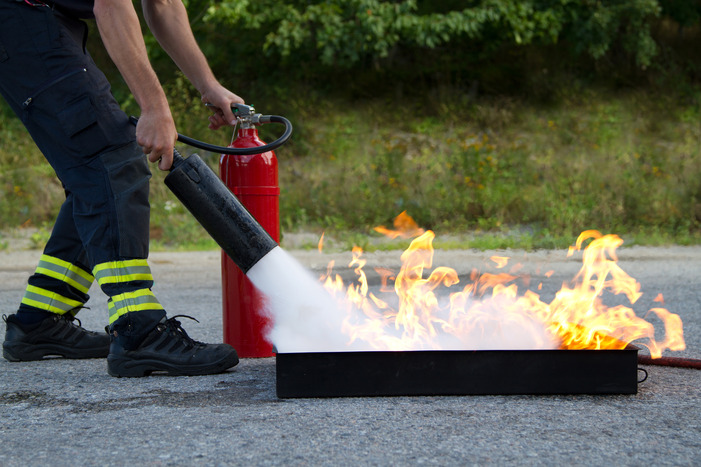
Fires in industrial and commercial settings can have devastating consequences. According to recent safety statistics, construction sites, manufacturing plants, and warehouses are among the locations with the highest risk of fire-related incidents. Fire Watch Guards environments often involve flammable materials, electrical equipment, and high-heat operations, making fire prevention a critical priority. This raises a key question: how can businesses protect their sites effectively while minimizing risk? Fire watch guards provide a strategic solution, offering continuous monitoring and immediate response to potential fire hazards.
Why Are Fire Watch Guards Essential for Construction Sites?
Construction sites are dynamic environments with constantly changing conditions. Data shows that temporary electrical setups, welding, and other hot work activities contribute to a large portion of site fires. Fire watch guards mitigate this risk by performing continuous patrols and inspecting areas where ignition sources are present.
These trained professionals also ensure that safety protocols are followed and that fire suppression equipment, such as extinguishers and hoses, remains accessible. Statistics indicate that early detection by fire watch personnel significantly reduces the likelihood of small fires escalating into large-scale incidents. This makes their presence an essential component of construction site safety.
How Do Fire Watch Guards Support Manufacturing Facilities?
Manufacturing plants often operate with complex machinery, combustible materials, and high-voltage electrical systems. According to industry safety reports, electrical malfunctions and equipment overheating are among the top causes of factory fires. Fire watch guards provide real-time monitoring of high-risk areas, enabling immediate action if a potential hazard arises.
Regular inspections by fire watch personnel also ensure compliance with local fire codes. Data shows that manufacturing facilities with active fire watch programs experience fewer fire-related disruptions, resulting in safer workplaces and lower operational downtime.
Why Are Warehouses Particularly Vulnerable to Fire Hazards?
Warehouses often store large volumes of flammable or combustible goods, creating a unique fire risk profile. Safety statistics reveal that unattended sparks, faulty wiring, or improperly stored materials can quickly trigger large-scale fires. Fire watch guards conduct regular sweeps of storage areas, verifying that all safety measures are in place and functional.
In addition to monitoring, guards maintain detailed logs of inspections and hazards identified. This data-driven approach helps warehouse managers track potential risks over time and implement corrective measures proactively, reducing the chances of catastrophic loss.
Can Fire Watch Guards Improve Compliance and Insurance Outcomes?
Fire prevention is closely tied to regulatory compliance. Authorities often require fire watch coverage when permanent detection systems are offline, during renovations, or in high-risk operations. Statistics show that facilities without proper fire watch oversight face higher risks of penalties, insurance claims, and operational delays.
Fire watch guards provide documented evidence of active fire risk management, supporting compliance with local fire safety codes. Insurers also view sites with professional fire watch services as lower risk, which can result in improved coverage terms and reduced premiums over time.
How Do Fire Watch Guards Enhance Emergency Response?
Response time is critical in minimizing fire damage. Data suggests that immediate intervention within the first few minutes of ignition drastically reduces property loss and risk to personnel. Fire watch guards act as the first line of defense, ready to use suppression tools, alert emergency services, and coordinate evacuation procedures if needed.
Unlike automated systems, human fire watch personnel can assess situational nuances, make quick decisions, and communicate effectively during emergencies. This dynamic response capability often determines whether a minor incident is contained or escalates into a major disaster.
Why Should Businesses Consider Fire Watch Guards as Part of Their Safety Strategy?
Statistics consistently show that proactive fire monitoring reduces incidents, lowers operational disruption, and enhances overall workplace safety. For construction sites, manufacturing plants, and warehouses, integrating fire watch guards into the safety plan creates a reliable, human-centered layer of protection.
By combining continuous monitoring, compliance support, and rapid response, fire watch guards help organizations prevent fires before they occur and protect both people and property. In data-driven terms, investing in professional fire watch services is not just a regulatory requirement—it is a strategic approach to risk reduction and long-term safety.