
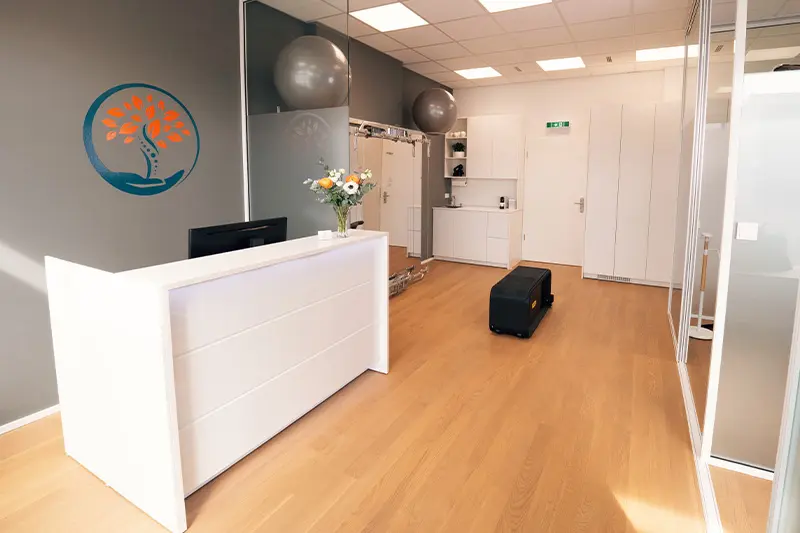
Physical therapy is a vital component of rehabilitation, whether recovering from an injury, surgery, or managing a chronic condition. Over the years, advancements in technology have brought innovative devices into the field of physical therapy, transforming traditional rehabilitation methods. These devices have made therapy more efficient, personalized, and engaging for patients while providing therapists with invaluable data for Physical therapy on the device (Krankengymnastik am Gerät). This blog explores how physical therapy on devices enhances rehabilitation and improves patient outcomes.
The Rise of Physical Therapy Devices
The integration of devices into physical therapy offers patients and therapists many advantages. These tools, ranging from wearable sensors to advanced motion-assisted machines, have become an integral part of rehabilitation. They aid in strengthening muscles, improving flexibility, and restoring mobility, all while ensuring progress tracking for more effective treatments. The use of such devices has been steadily increasing, highlighting a shift towards digital and device-driven therapy options.
How Devices Enhance Physical Therapy
Precision and Real-Time Feedback
Rehabilitation devices provide precise, real-time data that monitor a patient’s movements, posture, and exertion levels. This allows therapists to assess progress objectively and modify protocols as needed. Real-time feedback empowers patients to correct their actions during exercises, ensuring they perform movements accurately for optimal recovery. This precision minimizes the risk of re-injury and accelerates the rehabilitation process.
Personalized Treatment Plans
Devices utilized in physical therapy allow for highly tailored treatment plans. Data-driven insights ensure each patient receives a program that aligns with their unique needs and progress. Personalized regimens cater to individual recovery rates, ensuring patients receive targeted care that addresses their condition effectively.
Enhanced Motivation and Engagement
Maintaining motivation during rehabilitation can be challenging for patients, but devices equipped with gamified elements, like reward-based progress tracking or interactive features, create engaging therapy experiences. These innovative functions make therapy more enjoyable, empowering patients to actively participate and remain committed to their rehabilitation.
Remote Monitoring and Tele-Rehabilitation
Devices also enable remote physical therapy, a breakthrough for patients who face travel limitations. Through tele-rehabilitation, therapists can monitor patient progress from a distance. Devices equipped with sensors and apps ensure continuity of care even outside the clinic, providing patients with the flexibility to receive therapy at their convenience.
Trending Benefits in Device-Based Physical Therapy
The integration of devices into physical therapy is not just a technological advancement—it is a leap forward in how rehabilitation is approached. Key benefits include:
- Improved Outcomes:
Studies have shown that patients using device-based therapy experience faster recovery times. The dynamic, precise nature of these tools enhances the effectiveness of treatments.
- Accessibility:
Physical therapy devices make rehabilitation accessible to various patients, including those in remote areas or with limited mobility. This ensures that no individual is left without care.
- Reduced Healthcare Costs:
By enabling faster recoveries and preventing complications, these devices help to reduce long-term healthcare costs associated with extended physical therapy or hospitalizations.
- Safe and Controlled Environment:
Devices provide a controlled rehabilitation environment, particularly for high-risk patients. This ensures exercises are performed safely while minimizing the risk of strain or injury.
- Data-Driven Insights:
The ability to track data over time allows therapists to identify patterns and refine treatments, leading to a more precise and effective therapy approach.