
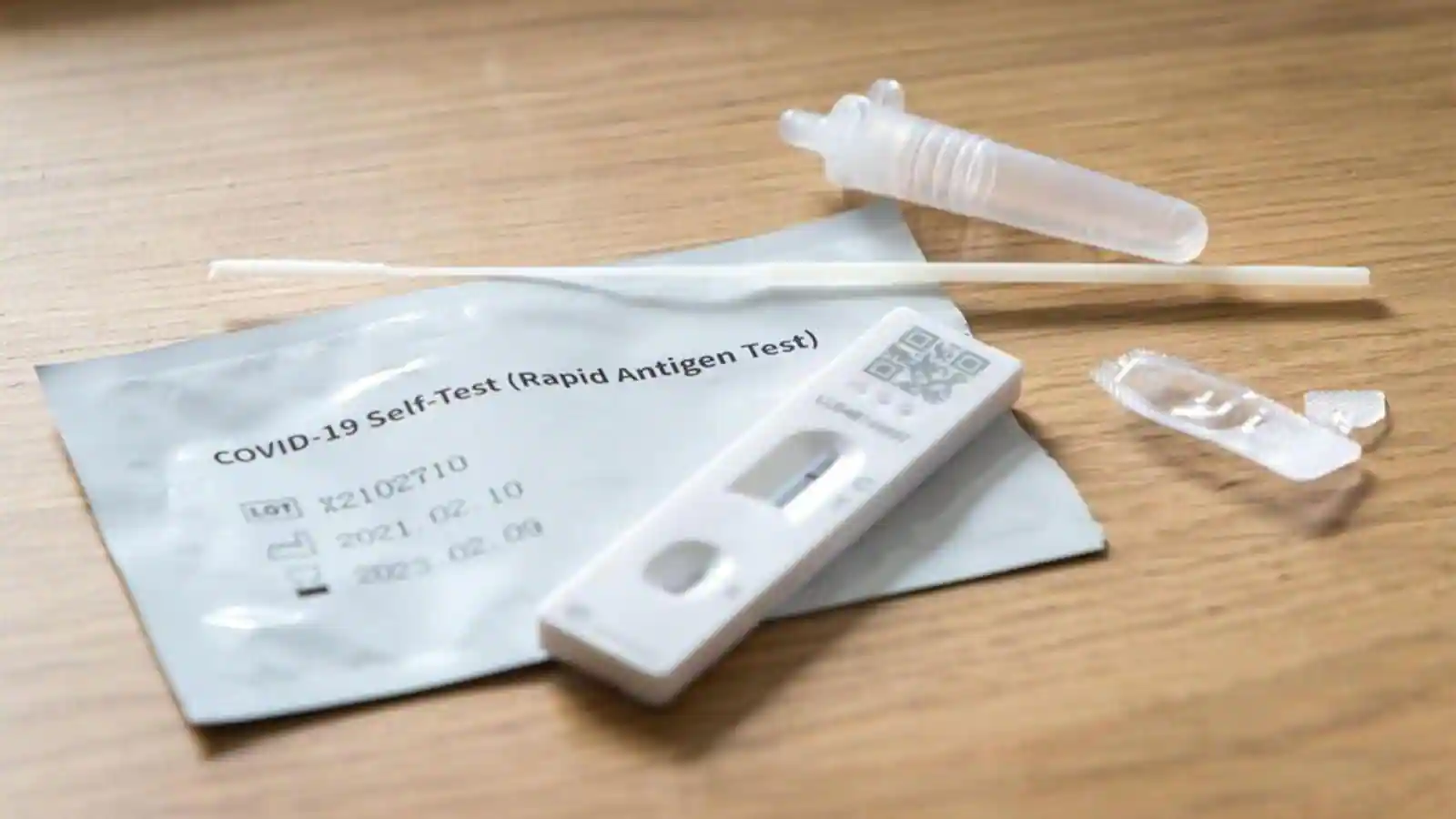
The most likely to account for a major amount of COVID-19 transmission are pre-symptomatic and early on indicative cases (up to five days before symptom manifestation). According to new research, people are more likely to transfer the virus to others in the 48 hours before they begin to show symptoms.
It is for these causes that observation screening is vital to the management of COVID-19, mainly because silent diseases are key drivers of transmission in the workplace. antigen rapid test (also known as lateral flow) has been employed as a low-cost, allegedly easy surveillance screening method. They are self-test kits that function by mixing the sample with a solution that releases specific viral proteins. They use portable cartridges.
Following that, the mixture is placed on a paper strip with a custom antibody designed to bind these proteins if they are present. The result is displayed as a band on the paper strip, similar to a home pregnancy test. Using a lab is not required, and the process may be completed in as little as 30 minutes. Speed, on the other hand, comes at the expense of sensitivity (i.e. accuracy).
One of the manufacturer’s proposed purposes is to employ quick antigen test kits to identify asymptomatic, early, and pre-symptomatic patients. “Intended for the presumptive identification of nucleocapsid antibodies from SARS-CoV-2 in human nasal swab samples or throat swabs from people who are presumed of covid-19 by their health professional within first five days of the initial of symptoms,” according to the instructions included with these kits.
Samples Of Rapid Antigen Testing
The Innova SARS-CoV-2 quick antigen rapid test, the only legally recognized rapid antigen test, was utilized by Birmingham University. It was distributed by the government to institutions that offered to assess their students’ English proficiency. Among schools and institutions around the country, the same test will be used to test for the virus in asymptomatic students and employees.
From November 30 to December 13, students at Scottish universities and colleges were tested, with a total of 43, 925 fast antigen tests conducted across all test sites. Although early screening of 31 of these positive samples revealed that only 13 were positive on PCR testing, indicating a false positive rate of 58 percent, 79 (0.2 percent) were positive.
As part of the government’s ambitions to conduct mass vaccinations across the country, a quick antigen test dubbed the Innova lateral flow test was trialed in Liverpool. The goal was to allow professionals to return to their offices and families to hug their loved ones in nursing homes once more.
However, scientists discovered that when administered by self-trained staff, the test’s sensitivity fell to about 58 percent in a population of most people with typical COVID-like symptoms, compared to 73 percent when tested by skilled research nurses and 79 percent when tested by laboratory scientists in a population of most people with typical COVID-like symptoms.
Vaccine Consideration With a 50 percent or higher coverage rate of all adults in the UK, the impact of mass vaccination is that an inoculated individual who acquires the virus will have a much lower viral load than a non-vaccinated person. Because of the lower viral load, the sensitivity of fast antigen tests used for workplace surveillance will be greatly lowered.