
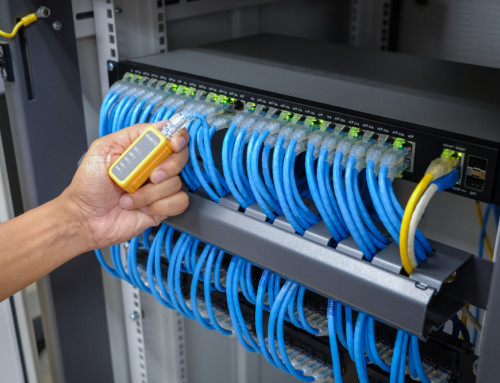
In today’s digital world, structured cabling installation is an essential part of any business or home. Structured cabling is the backbone of any network and its success depends on the quality of the installation. It’s important to understand what goes into a successful structured cabling installation in order to ensure your organization’s data is secure and reliable.
The Basics of Structured Cabling Installation
structured cabling installation requires a great deal of skill and knowledge to achieve success. A typical structured cabling system consists of four components – cable, connectors, hardware, and patch cords – that are used to create a high-speed network for transmitting data from one device to another. The first step in the process is choosing the type of cable that will be used for the job. There are two main types of cables used for structured cabling – twisted pair cable and coaxial cable. Twisted pair cable is more commonly used because it offers better performance over longer distances than coaxial cable.
The next step in the process is connecting all components together with appropriate connectors such as RJ45 jacks or RJ11 jacks. This allows you to connect your devices directly to each other without the need for additional equipment or wires. Once connected, you can start using patch cords to link multiple devices together on your network. Patch cords provide a very convenient way to manage your cables by allowing you to rearrange them quickly and easily when needed.
Finally, you need to install appropriate hardware such as wall plates, patch panels, and patch blocks in order to complete your structured cabling system. These pieces are essential for ensuring that all cables are properly secured and organized within your infrastructure and also help protect against potential damage due to environmental factors such as extreme temperatures or moisture buildup due to humidity levels in the air.
Conclusion: Structured cabling installation requires careful planning and execution in order for it to be successful. By ensuring that all components are properly installed with appropriate hardware, you can rest assured that your organization’s data is secure and reliable at all times no matter what environmental conditions may arise in the future. Understanding what goes into a successful structured cabling installation can help make sure that your organization has access to fast, reliable data transmission whenever needed so it can continue running smoothly even during times of peak demand or unexpected events like natural disasters or power outages.