
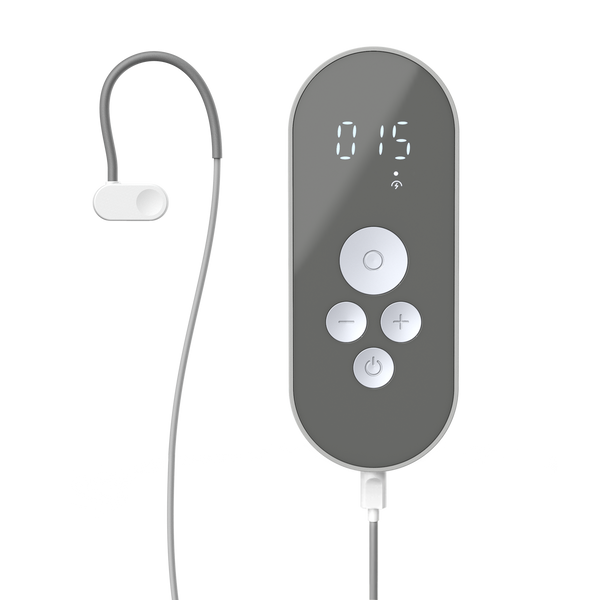
The vagus nerve is the longest cranial nerve in the body and a core component of the autonomic nervous system, which regulates vital processes like heart rate, breathing, digestion, and inflammatory responses. It serves as a communication superhighway between the brain and major organs and helps maintain physiological balance. vagus nerve stimulator have been linked to autonomic imbalance, which can contribute to stress, inflammation, and chronic health issues. Understanding and supporting vagal activity is therefore central to promoting autonomic system health and overall well‑being.
How Does a Vagus Nerve Stimulator Work to Influence Autonomic Function?
Vagus nerve stimulation (VNS) refers to techniques that apply electrical stimulation to the nerve to modify signal transmission, with the goal of restoring balance between the parasympathetic (“rest and digest”) and sympathetic (“fight or flight”) systems. Both implantable and non‑invasive methods exist. Non‑invasive approaches—often applied through the skin at the ear or neck—are designed to engage vagal afferent pathways and influence autonomic regulation without surgery. Studies show that non‑invasive stimulation can increase indicators of parasympathetic activity, such as heart rate variability (HRV), indicating a shift toward greater autonomic balance, which is desirable for cardiovascular and stress‑related outcomes.
Can Vagus Nerve Stimulation Improve Autonomic Balance?
Scientific research provides measurable insights into how vagus nerve stimulation affects autonomic markers. Controlled trials with transcutaneous stimulation in healthy adults have shown significant increases in HRV—an objective measure of parasympathetic activity—alongside reductions in sympathetic nerve activity. Higher HRV is associated with improved autonomic flexibility and resilience to stress, making it a key indicator of autonomic health.
What Does the Research Say About Cardiovascular and Metabolic Effects?
Data from clinical studies suggests that VNS can influence several aspects of cardiovascular function. For example, research into transcutaneous stimulation found that applying stimulation over a short period improved metrics related to cardiorespiratory fitness and inflammatory responses. Participants experienced small but meaningful increases in peak oxygen uptake (VO2 peak), which can be interpreted as enhanced cardiovascular performance, alongside anti‑inflammatory effects linked to vagal parasympathetic activity.
How Might Vagus Nerve Stimulation Affect Stress and Emotional Regulation?
Stress regulation is tightly connected with autonomic nervous system balance. Research has demonstrated significant reductions in self‑reported stress and anxiety following repeated vagus nerve stimulation sessions. In one randomized controlled trial, participants showed substantial decreases in stress markers and cognitive anxiety scores after VNS compared to control conditions, suggesting measurable benefits in emotional regulation that may stem from enhanced autonomic control.
Does Vagus Nerve Stimulation Influence Inflammation?
Emerging studies also point to vagus nerve stimulation’s potential role in modulating inflammatory processes. Autonomic and neuroimmune interactions are increasingly recognized as contributors to chronic disease risk, and stimulation of vagal pathways appears to engage pathways linked with reduced inflammatory signaling. While much of this work is still early stage, the concept aligns with research showing that modifying vagal reflex circuits can lead to measurable changes in immune activity and inflammatory markers.
Are Non‑Invasive Methods Safe and Well Tolerated?
Non‑invasive stimulation is generally well tolerated in research settings, with minimal reports of serious adverse effects, in contrast to invasive implantable devices that carry surgical risks. Most documented side effects relate to mild skin irritation or discomfort at the site of stimulation, and studies consistently emphasize high tolerability and safety. However, because stimulation parameters and responses vary, continued research is needed to refine protocols and long‑term efficacy.
What Role Does Heart Rate Variability Play as an Autonomic Marker?
Heart rate variability (HRV) is widely used in research as an index of autonomic function. VNS studies have found that stimulation can affect HRV measures that reflect parasympathetic tone, which is linked to better stress resilience, cardiovascular regulation, and metabolic control. Some controlled trials report increases in HRV metrics like high‑frequency power following active stimulation compared to sham conditions, especially in older participants.
What Limitations Remain in Current Research?
Despite promising findings, variability in study parameters and mixed results in smaller sample sizes highlight the need for larger, controlled trials. Clinical evidence for many specific health applications remains limited, and understanding the precise mechanisms and optimal stimulation settings continues to be an active area of research.
Why Is Vagus Nerve Stimulation Relevant for Autonomic Nervous System Health?
Statistical insights from accumulating research indicate that vagus nerve stimulation can measurably influence autonomic markers like HRV, stress response, and cardiovascular metrics, suggesting potential benefits for autonomic system balance. For health professionals and individuals interested in non‑pharmacological approaches to nervous system regulation, VNS represents a scientifically grounded method worth ongoing exploration, especially as data continues to emerge and refine best practices.