
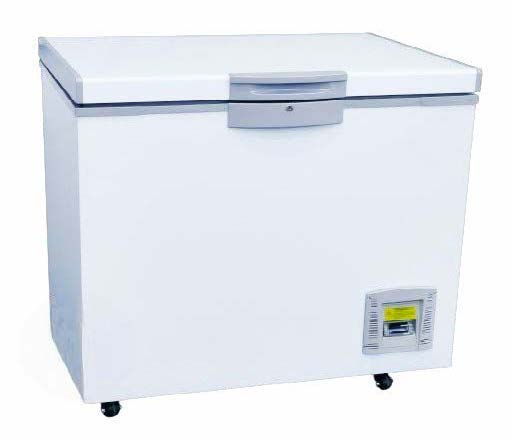
The demand for high-performance medical freezers has skyrocketed, largely driven by the increasing need for reliable vaccine and sample storage. Vaccinations and biological samples are critical to public health and scientific research, with stringent storage demands to preserve their efficacy and safety. Medical freezers have become an indispensable tool in addressing these requirements, providing a key solution to managing temperature-sensitive materials.
Why Medical Freezers Matter for Vaccine Storage
Vaccines require precise temperature control to remain effective. The Centers for Disease Control and Prevention (CDC) emphasizes that preserving the cold chain is critical to preventing vaccine loss and compromised immunity. For instance, Pfizer-BioNTech’s COVID-19 vaccine needs ultra-low temperatures between -80°C and -60°C, which most standard freezers cannot achieve.
Medical freezers meet these demands with advanced temperature regulation and monitoring systems. They ensure consistent conditions, often including alarm triggers for temperature deviations, ensuring stored vaccines are never at risk. These features reduce wastage and enhance public trust in vaccination programs.
Securing Sample Integrity in Research and Healthcare
Biological samples such as plasma, DNA, and cell cultures are vital for diagnostics, clinical trials, and research studies. Improper storage temperatures can degrade these materials, leading to inaccurate results and financial losses. Medical-grade freezers address such challenges by offering uniform cooling and specialized compartments to avoid cross-contamination.
Laboratories, hospitals, and biobanks frequently turn to medical freezers for their ability to maintain temperatures below -20°C or even ultra-low levels when required. These units are designed to balance efficiency and reliability, guaranteeing that each sample maintains its original integrity until it’s needed.
Key Features Driving the Adoption of Medical Freezers
- Precision Temperature Control
Modern medical freezers utilize cutting-edge cooling technologies, including digital thermostats and temperature probes. This precision ensures compliance with regulatory guidelines for vaccines and sensitive samples.
- Energy Efficiency
With increasing environmental concerns, many units incorporate energy-efficient compressors and eco-friendly refrigerants. These advancements not only cut operational costs but also reduce the carbon footprint.
- Advanced Monitoring Systems
Most medical freezers feature real-time data logging, remote monitoring, and alarms for immediate alerts in case of temperature fluctuations or power outages. These measures provide added security and peace of mind for critical storage needs.
- Ergonomic Design
Designed for healthcare and lab environments, medical freezers often include adjustable shelving, compact footprints, and easy-to-clean surfaces for maximum practicality and convenience.
Challenges and Future Outlook
While medical freezers have revolutionized storage solutions, they also face challenges such as high initial investment costs and maintenance needs. However, the rising importance of maintaining vaccine efficacy, coupled with advancing freezer technologies, points toward widespread adoption on a global scale.
Organizations are also increasingly investing in smart freezers with IoT-enabled features for predictive maintenance and enhanced data integration, ensuring further reliability in future storage solutions.
Medical freezers are no longer auxiliary tools but vital resources in protecting vaccines and scientific samples. Investing in state-of-the-art units ensures quality, safety, and compliance, making them indispensable for the healthcare and research sectors.